

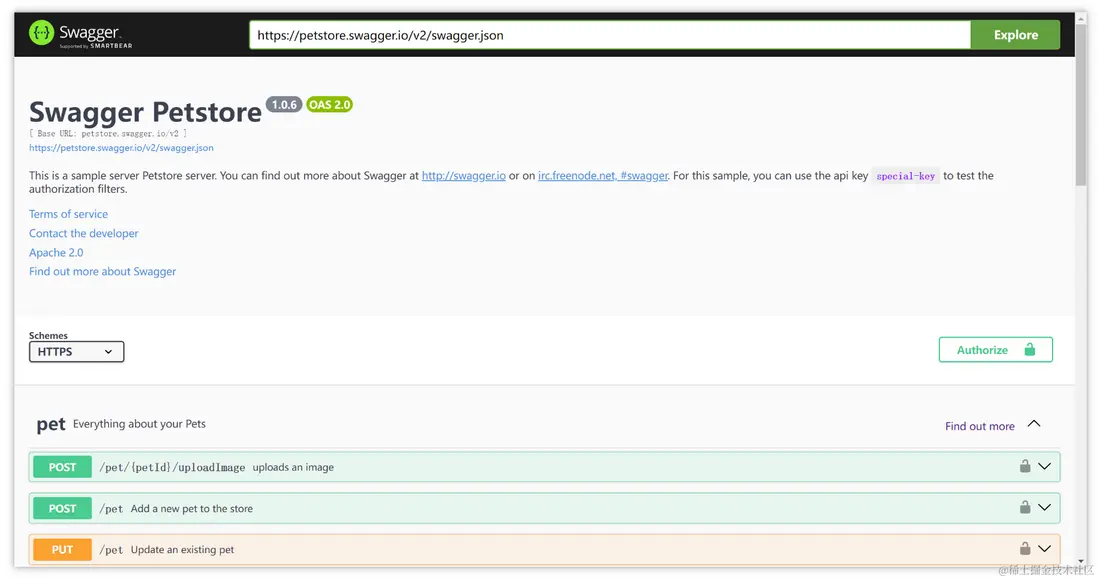
在現代軟件開發中,提供清晰全面的 API 文檔 至關重要。@ApiModel 和 @ApiModelProperty 這樣的代碼註解在此方面表現出色,通過增強模型及其屬性的元數據來豐富文檔內容。它們的主要功能是為這些元素命名和描述,使生成的 API 文檔更加明確。
@ApiModel 和 @ApiModelProperty 的實際用例
這些註解不僅僅是為了展示;它們在各種情景中都發揮着實際的作用:
- 文檔生成:通過這些註解整合模型名稱、描述和屬性詳情,可以簡化準確詳細的 API 文檔編制工作。
- 驗證:利用
@ApiModelProperty可以定義驗證約束,如最大長度或最小值,幫助確保數據的完整性。 - 模型解讀:在生成的 API 指南中,
@ApiModel和@ApiModelProperty提供的信息有助於明確展示模型,包括示例和詳細描述。
註解應用指南
@ApiModel 的註解用法如下:
| 屬性 | 數據類型 | 默認值 | 説明 |
|---|---|---|---|
| value | String | "" | 模型的名稱 |
| description | String | "" | 模型的描述 |
| parent | Class<?> | Void.class | 模型的父類 |
| discriminator | String | "" | 模型的鑑別器 |
| subTypes | Class<?>[] | {} | 模型的子類 |
| reference | String | "" | 模型的引用 |
| example | String | "" | 模型的示例 |
另一方面,@ApiModelProperty 的使用註解如下:
| 屬性 | 數據類型 | 默認值 | 説明 |
|---|---|---|---|
| value | String | "" | 屬性的名稱 |
| name | String | "" | 屬性的名稱 |
| dataType | String | "" | 屬性的數據類型 |
| required | boolean | FALSE | 屬性是否必需 |
| example | String | "" | 屬性的示例 |
| hidden | boolean | FALSE | 屬性是否隱藏 |
| allowableValues | String | "" | 屬性的允許值範圍 |
| access | String | "" | 屬性的訪問權限 |
| notes | String | "" | 屬性的註釋 |
| position | int | 0 | 屬性的位置 |
實踐案例
考慮在一個用户管理系統中的用户模型,需要為其 API 提供清晰的定義。通過為我們的 User 類添加 @ApiModel 註解,以及用 @ApiModelProperty 描述每個屬性,我們大大提高了文檔的清晰度,使其對開發人員和用户更易於理解。
import io.swagger.annotations.ApiModel;
import io.swagger.annotations.ApiModelProperty;
@ApiModel(value = "User", description = "用户模型")
public class User {
@ApiModelProperty(value = "用户ID", example = "1")
private Long id;
@ApiModelProperty(value = "用户名", example = "john.doe")
private String username;
@ApiModelProperty(value = "年齡", example = "25")
private Integer age;
// 省略其他屬性的getters和setters
public Long getId() {
return id;
}
public void setId(Long id) {
this.id = id;
}
public String getUsername() {
return username;
}
public void setUsername(String username) {
this.username = username;
}
public Integer getAge() {
return age;
}
public void setAge(Integer age) {
this.age = age;
}
}這些註解確保了 API 文檔有效地反映了模型及其屬性,展示了名稱、描述、類型和示例值。這種方法直接導致了一個界定清晰、易於使用的 API 參考資料。
關鍵注意事項
- 集成相關的 Swagger 依賴並正確配置。
- 註解必須準確定義屬性,如名稱、描述和數據類型。
- 確保使用
@ApiModelProperty的屬性可以公開訪問,並擁有適當的 getter 和 setter 方法。
關於註解使用的常見問題解答
問1:是否可以在一個模型上使用多個 @ApiModel 註解?
答1:不可以,一個模型應該有一個 @ApiModel 註解。
問2:一個屬性上可以應用多個 @ApiModelProperty 註解嗎?
答2:雖然一個屬性可以有多個 @ApiModelProperty 註解,通常是為了提供不同的描述和設置。
與 Apifox 整合簡化 API 管理
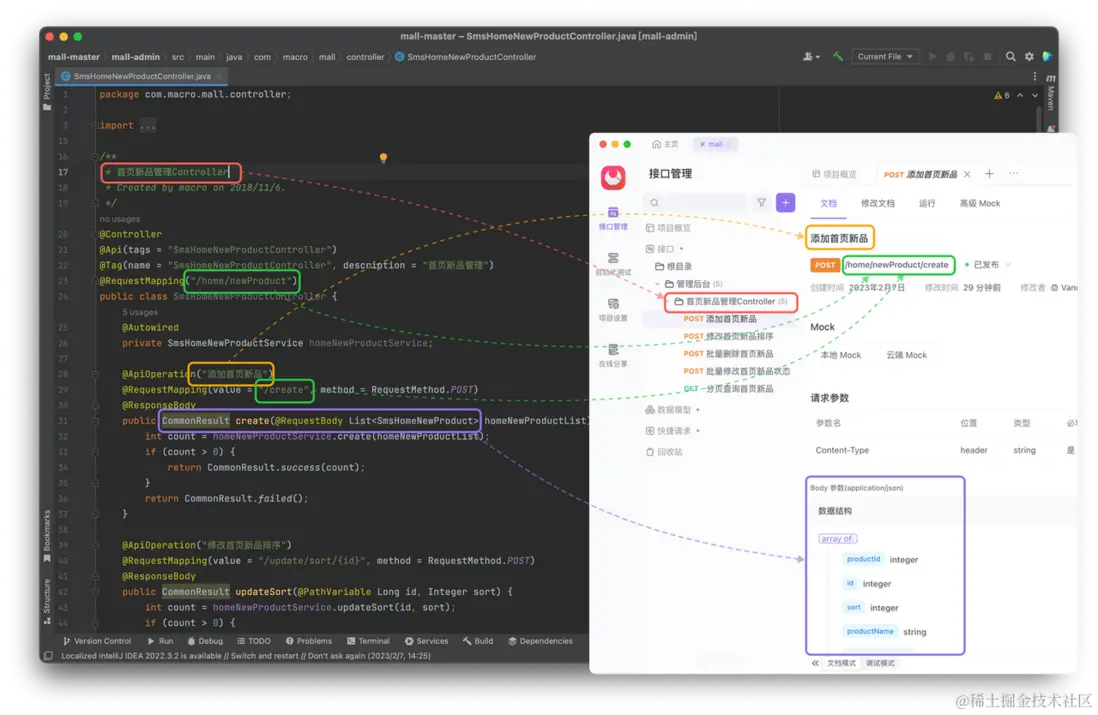
儘管 Swagger 很有用,但它使用起來可能比較麻煩,缺乏一些協作安全功能。因此,許多人轉向使用 Apifox 的 IDEA 插件,以獲得更強的功能和方便。它允許在 IDEA 中自動同步 Swagger 註解到 Apifox,並通過多端同步方便測試和維護。
詳細使用教程 :如何使用 Apifox 自動生成 API 接口文檔 - 一份詳細指南
知識擴展:
- Swagger 註解 @ApiResponses 和 @ApiResponse 的用法
- Swagger 註解 @ApiImplicitParams 和 @ApiImplicitParam 的用法
參考鏈接:
- Swagger 官方文檔:https://swagger.io/docs/specification/data-models/
- SpringFox 官方文檔:https://springfox.github.io/springfox/docs/current/



